
Article Summary
Choosing a Solar Photovoltaic System is not only about buying solar panels. For homeowners, contractors, distributors, and commercial energy users, the real challenge is knowing whether the whole system can deliver stable output, safe operation, easy maintenance, and a reasonable return over years of use. This article explains how a solar photovoltaic system works, which components matter most, what buyers should check before ordering, and why system matching is more important than simply comparing panel wattage or low prices.
Table of Contents
Article Outline
A Solar Photovoltaic System helps users turn sunlight into usable electricity, but the reason people buy it is usually more practical than that simple definition. Some buyers want to reduce electricity bills. Some need backup power for unstable grids. Some want an independent energy source for farms, cabins, outdoor work, communication equipment, or small business operations. Others are looking for portable power solutions that can be moved, stored, and used when needed.
The pain point is not “whether solar power works.” The real question is whether the system is properly matched to the load. A system that is too small may fail to support daily use. A system that is oversized without proper battery or inverter planning may waste budget. A system using weak protection components may work at first but create reliability problems later. This is why buyers should treat solar purchasing as a system decision, not a single-product decision.
Wenzhou Zhechi Electric Co., Ltd. supplies solar photovoltaic related products for users who need practical power solutions rather than loose components that are difficult to match. For buyers who are not electrical engineers, a clear configuration plan can save time, reduce trial-and-error costs, and make installation more predictable.
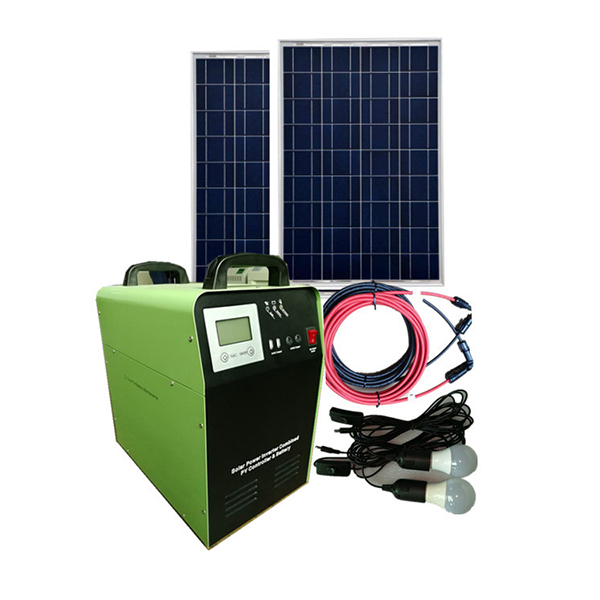
A complete Solar Photovoltaic System usually includes several parts that must work together. The solar panel may be the most visible component, but it is not the only part that decides performance. A reliable system needs power generation, power collection, power conversion, power storage, protection, and installation support.
| Component | Main Function | Buyer Concern |
|---|---|---|
| Photovoltaic Modules | Convert sunlight into electrical energy. | Power output, durability, efficiency, and long-term stability. |
| Mounting Brackets | Hold solar panels in the correct position. | Wind resistance, corrosion resistance, installation angle, and roof or ground compatibility. |
| Combiner Box | Collect power from multiple solar strings and improve wiring organization. | Overcurrent protection, surge protection, safety, and easier maintenance. |
| Controller | Regulate charging and protect batteries from improper charging conditions. | Battery compatibility, charging efficiency, and protection functions. |
| Battery Bank | Store energy for use at night or during low sunlight. | Capacity, cycle life, charging speed, space, and replacement cost. |
| Inverter | Convert DC electricity into AC power for common appliances and equipment. | Rated power, peak power, waveform quality, and load compatibility. |
| Cables and Connectors | Transfer current safely between components. | Weather resistance, connection firmness, insulation, and current rating. |
If any part is poorly selected, the whole system may suffer. For example, strong panels paired with a weak inverter may limit usable output. A battery with insufficient capacity may leave users without power at night. Low-grade connectors may increase resistance, heat, or failure risk. In solar applications, system balance is often more valuable than chasing one impressive number.
Before buying a Solar Photovoltaic System, buyers should first calculate the actual power demand. Many purchasing mistakes come from vague estimates such as “I need power for a small house” or “I want a 5kW system.” A 5kW label does not automatically mean the system will support every appliance at every moment. Daily consumption, peak load, local sunlight hours, battery backup requirements, and installation space all affect the final configuration.
Buyers should prepare a simple load list before asking for a quotation. The list should include appliance names, rated power, working hours per day, and whether the equipment starts with a high surge current. Refrigerators, pumps, air conditioners, and motors often need higher starting power than their normal running power. If the inverter is not selected correctly, the system may trip, shut down, or fail to start equipment smoothly.
A good supplier should not push one standard package to every customer. Different users have different load behavior. A small portable system for outdoor work is not designed the same way as a rooftop system for a home or a backup system for a shop.
The best Solar Photovoltaic System depends on how and where the power will be used. Some customers need compact mobility. Some need long operating hours. Some need a system that can support multiple appliances. Matching the scenario first helps avoid overbuying or underbuying.
| Application Scenario | Recommended Focus | Practical Reason |
|---|---|---|
| Outdoor camping or mobile work | Portable design, easy connection, moderate battery capacity | The system should be easy to move, quick to deploy, and simple to store. |
| Small home backup | Battery storage, inverter capacity, safe wiring | Users usually need stable power for lights, communication devices, fans, or small appliances. |
| Farm or remote site | Durable modules, protection devices, larger storage | Remote locations may have limited maintenance support and unstable grid access. |
| Commercial auxiliary power | System efficiency, protection design, maintainability | Downtime can affect operations, so safety and service access become more important. |
| Emergency energy supply | Fast startup, reliable battery, simple operation | The system must be ready when grid power is unavailable. |
For many buyers, the most useful system is not necessarily the largest one. The most useful system is the one that fits real use habits, local conditions, and long-term maintenance capacity.
Price comparison is normal, especially for distributors and project buyers. However, a low initial price can become expensive if important parts are missing from the quotation. Some offers look attractive because they only include panels and basic accessories, while batteries, protection devices, mounting structures, cables, connectors, or installation-related items are counted separately.
Buyers should also consider the cost of wrong sizing. If the battery is too small, users may need an upgrade soon. If the inverter cannot handle peak power, the system may require replacement. If connectors or cables are not suitable for outdoor use, maintenance costs may appear after months of operation. A solar photovoltaic system should be evaluated by total ownership cost, not just the first quotation.
A clear quotation should tell the buyer what is included, what is optional, and what must be prepared locally. This makes project planning easier and reduces disputes after delivery.
A Solar Photovoltaic System works with electricity generated outdoors, often under sunlight, rain, temperature changes, and long cable runs. Safety should never be treated as a decoration on the specification sheet. Good protection helps reduce the risk of short circuits, reverse current, overcurrent, lightning surge damage, overheating, and equipment failure.
The combiner box, circuit protection devices, connectors, cables, grounding, and installation method all affect safety. Buyers should avoid mixing random components without checking compatibility. Current rating, voltage rating, insulation level, waterproof performance, and temperature tolerance should match the system design.
Practical Safety Reminder
If the system includes batteries and an inverter, ventilation and load planning become even more important. Batteries should not be placed in unsuitable high-temperature or poorly ventilated spaces. Inverters should be selected according to both continuous load and starting load, not only the average power demand.
For distributors and contractors, safety also affects brand reputation. A system that performs safely over time creates repeat orders. A system that fails early creates complaints, replacement pressure, and loss of trust.
Solar systems are often described as low-maintenance, but low-maintenance does not mean no maintenance. A Solar Photovoltaic System needs basic inspection to maintain stable output. Dust, leaves, bird droppings, loose connectors, cable aging, shading changes, and battery condition can all affect performance.
Cleaning is especially important for panels installed in dusty, coastal, agricultural, or industrial environments. Even partial shading can reduce output. Users should also check whether brackets remain firm after strong wind or long-term vibration. For battery-based systems, charging behavior and storage environment should be reviewed regularly.
Good maintenance does not need to be complicated. The key is consistency. A few simple checks can prevent many small problems from becoming expensive repairs.
The supplier’s answer often reveals whether they understand system matching or only sell individual products. Before ordering a Solar Photovoltaic System, buyers should ask direct questions about configuration, compatibility, warranty, technical documents, packaging, delivery, and after-sales support.
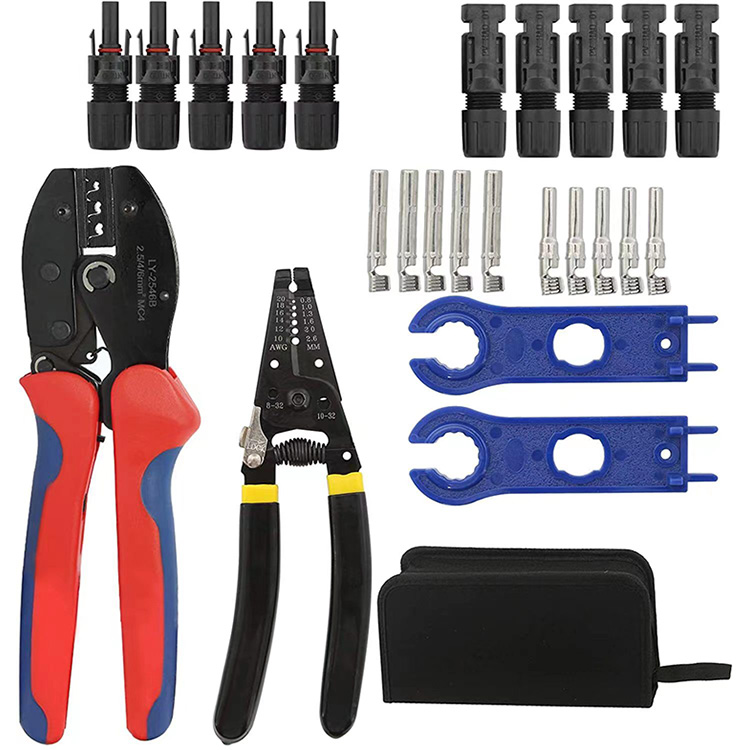
Wenzhou Zhechi Electric Co., Ltd. can be considered by buyers who need solar photovoltaic products with practical matching support, especially when the project involves portable solar systems, photovoltaic accessories, cleaning tools, connectors, or related electrical components. The right communication before purchase can make the final system easier to install, safer to operate, and more satisfying for end users.
What size Solar Photovoltaic System do I need?
The right size depends on your daily electricity consumption, peak load, local sunlight hours, and whether you need battery backup. A load list is the best starting point. Without that information, choosing only by system wattage may lead to poor performance.
What is the difference between an off-grid and grid-connected system?
An off-grid system works independently and usually requires batteries. A grid-connected system works with the utility grid and may not need large battery storage. The best choice depends on local grid stability, power goals, and installation regulations.
What role does the inverter play?
The inverter converts DC power from solar panels or batteries into AC power for common electrical equipment. If your load uses 110V or 220V AC power, the inverter must be correctly matched to the load type and starting power.
Why is the combiner box important?
A combiner box organizes solar string connections and can include protection functions that improve safety and simplify maintenance. It is especially useful when multiple photovoltaic modules are connected in one system.
Does a Solar Photovoltaic System work on cloudy days?
Yes, but output is usually lower than on sunny days. If cloudy weather is common in your area, battery capacity and panel configuration should be planned more carefully.
How often should solar panels be cleaned?
Cleaning frequency depends on the environment. Dusty areas, farms, construction sites, and coastal regions may require more frequent cleaning. Users should clean panels when dirt visibly reduces sunlight exposure.
Can one system power all home appliances?
It can, but only if the system is designed for that load. High-power equipment such as air conditioners, pumps, heaters, and refrigerators must be calculated carefully because some devices require higher starting current.
Is the cheapest system a good choice?
Not always. A low price may exclude important components or use mismatched parts. Buyers should compare complete configuration, safety protection, warranty terms, technical support, and long-term maintenance cost.
A Solar Photovoltaic System is worth buying when it is designed around real power demand, safe electrical matching, reliable components, and practical long-term use. Buyers should avoid judging the system only by panel wattage or the lowest quotation. The better approach is to check load requirements, installation conditions, protection design, battery needs, inverter capacity, and supplier support before making a decision.
For residential users, portable power users, contractors, and distributors, the right system can reduce energy uncertainty and provide a cleaner, more independent power option. For project buyers, it can also improve customer satisfaction and reduce after-sales pressure. A well-matched system is not just a product purchase; it is a long-term power plan.
If you are looking for a practical Solar Photovoltaic System for residential backup, portable power, outdoor use, or project supply, Wenzhou Zhechi Electric Co., Ltd. can help you review your power needs and recommend a suitable configuration. Share your load list, target application, and installation environment with us, and our team will help you move from rough idea to clear solution. For product details, quotation support, or custom purchasing needs, please contact us today.


