

A DC Combiner Box is often treated like a simple accessory, but in real solar projects it plays a much bigger role. It helps gather multiple PV strings into one organized output, reduces wiring complexity, improves maintenance efficiency, and supports safer system protection with components such as breakers, fuses, and surge protection devices. In this article, I explain where a DC Combiner Box fits into a photovoltaic system, what problems it helps solve, how buyers can compare options more clearly, and which design details matter most before purchase. I also share a practical checklist to help decision-makers avoid mismatch, overbuying, or weak protection strategies.
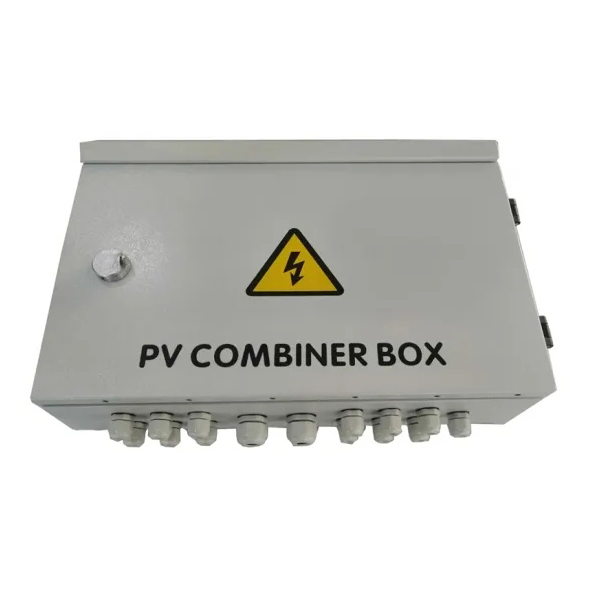
In solar projects, people usually pay attention to panels, inverters, and mounting systems first. That makes sense. Those are the obvious pieces everyone can see. But once a system includes multiple PV strings, the wiring architecture becomes more demanding, and that is where a DC Combiner Box starts to show its value.
A DC Combiner Box is designed to collect the DC output from several photovoltaic strings and combine them into a more manageable connection before power continues to the inverter or the next stage of the system. On paper, that sounds simple. In practice, it affects layout clarity, installation speed, fault isolation, cable management, service access, and electrical protection.
I often see buyers ask the wrong first question. They ask, “How much does the box cost?” when the better question is, “How much confusion, downtime, rewiring, or maintenance trouble will the wrong box create later?” That is the more expensive part. Humans do love buying the cheapest part and then acting shocked when the project turns into a wiring puzzle.
For companies handling solar distribution products, including Wenzhou Zhechi Electric Co., Ltd., the real value of a DC Combiner Box is not just aggregation. It is controlled organization plus protection in a part of the system where disorder can quickly become risk.
Most buyers are not looking for another enclosure to add to a quote sheet. They are trying to solve project friction. A properly selected DC Combiner Box helps address several recurring problems:
In short, the right DC Combiner Box helps simplify what would otherwise become a chaotic section of the PV system. That matters to EPC teams, installers, distributors, and even end users who may never open the enclosure but will absolutely feel the consequences of a bad decision.
Practical takeaway: If your solar system uses multiple strings, you are not just buying a housing unit. You are buying safer consolidation, cleaner routing, easier inspection, and better long-term serviceability.
The working principle is straightforward, but the details matter. Each PV string produces DC power. Instead of sending every string separately through a sprawling network of cables, a DC Combiner Box gathers those string inputs into one organized point. Inside the enclosure, those inputs may connect through fuses, busbars, circuit breakers, disconnect devices, or surge protection components, depending on the design.
The output then continues toward the inverter or another designated DC section of the system. This arrangement reduces cable clutter and creates a more structured handoff between the array side and conversion side of the installation.
In many projects, this also improves troubleshooting. If one string behaves abnormally, technicians can inspect and isolate the issue more efficiently instead of tearing through a nest of cables and muttering things that should not be written into maintenance logs.
Depending on project requirements, the internal configuration can support:
This is the part that separates smooth projects from painful ones. Buyers should not compare a DC Combiner Box using only price or only appearance. The more useful approach is to review technical fit, environmental fit, and service fit together.
Here are the main factors I would compare before making a decision:
A quick side-by-side review can make procurement easier. The table below shows what I would evaluate when comparing one DC Combiner Box to another.
| Comparison Area | What to Check | Why It Matters |
|---|---|---|
| String Input Quantity | 2-string, 4-string, 8-string, or other configuration | Directly affects array compatibility and future expansion planning |
| DC Voltage Rating | Rated voltage alignment with system design | Incorrect rating can create safety and reliability problems |
| Protection Components | Fuse, breaker, isolator, surge protection device | Determines how well the system handles faults and transients |
| Enclosure Protection | Outdoor suitability, sealing, material strength | Helps prevent moisture, dust, and environmental damage |
| Internal Layout | Space, cable routing logic, terminal accessibility | Improves installation efficiency and service convenience |
| Supplier Support | Technical communication, customization ability, response speed | Reduces mismatch risk before and after delivery |
| Consistency | Stable quality across batches | Important for distributors, contractors, and repeated project deployment |
The best choice is rarely the one with the longest product title or the loudest sales phrase. It is the one that fits the electrical design, installation environment, and maintenance expectation without forcing the project team to compensate for avoidable weaknesses.
I have seen a few purchasing habits repeat across industries, and solar is no exception. They usually look minor at the buying stage and become very annoying later.
The easiest way to avoid these mistakes is to define the application first, then match the product to the application. Not the other way around. Revolutionary concept, I know.
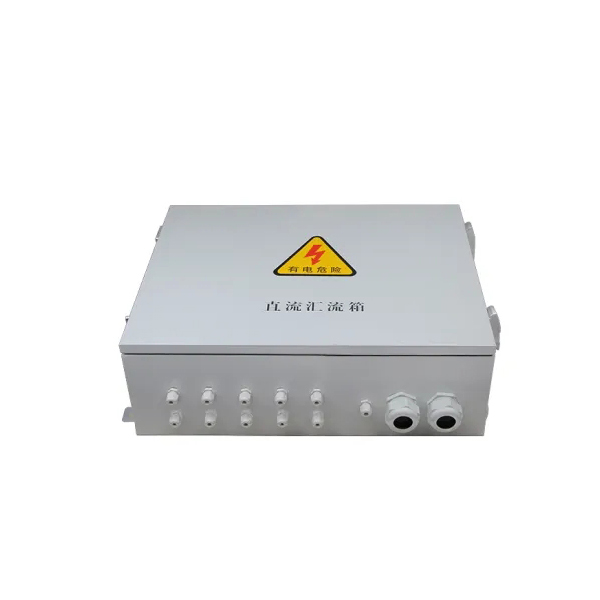
Even when buyers know what they need, supplier capability still affects the final outcome. A good supplier does more than ship a box. It helps reduce uncertainty. That includes clearer specifications, better communication, more consistent manufacturing, and stronger responsiveness when a project needs adjustment.
In a category like DC Combiner Box, where technical fit matters, supplier understanding can save time during model selection and reduce confusion during deployment. That is especially useful for customers who manage multiple projects, different climates, or variable system sizes.
Wenzhou Zhechi Electric Co., Ltd. is one of the manufacturers active in this product area, and buyers evaluating suppliers in this category often look for the same things: practical product range, stable production capability, familiarity with photovoltaic applications, and communication that does not turn a simple spec discussion into an exhausting scavenger hunt.
Is a DC Combiner Box necessary for every solar installation?
Not every system needs one in the same way. Smaller or simpler systems may have different layout requirements, but where multiple PV strings need organized consolidation and protection, a DC Combiner Box becomes highly useful.
What is the main advantage of using a DC Combiner Box?
The main advantage is structured string consolidation with improved wiring management and easier protection integration. It can also make inspection and maintenance more efficient.
Can a DC Combiner Box help with lightning and surge concerns?
It can, if the configuration includes suitable surge protection components. Buyers should confirm what protection devices are included instead of assuming every enclosure has the same level of protection.
What should I prepare before requesting a quote?
Prepare the number of strings, system voltage, current requirements, installation environment, and any specific protection or enclosure expectations. That makes supplier communication much more accurate.
How do I know if a supplier is a good fit?
Look at product consistency, technical communication, customization ability, and how clearly they respond to application-based questions. A supplier that understands your actual project use case is usually more valuable than one that only sends a price list.
A DC Combiner Box may not be the most glamorous part of a photovoltaic system, but it has a real effect on safety, organization, and long-term usability. If your project involves multiple strings, outdoor conditions, or a need for cleaner maintenance planning, this is not the component to treat casually.
The best buying decision comes from matching real project needs with a product that is technically appropriate, durable enough for the environment, and supported by a supplier that can communicate clearly from inquiry to delivery.
If you are comparing options for a DC Combiner Box and want a solution that fits your solar project more precisely, contact us to discuss your application details, required configuration, and procurement goals. A clearer conversation now can save considerable time, cost, and rework later.


