

A smart switch is no longer just a fashionable add-on for modern homes. It has become a practical solution for people who want better control of lighting, lower daily energy waste, and a more flexible way to manage routines. In this article, we look at the real problems people face with traditional wall switches, explain how a smart switch works in daily life, and show what buyers should evaluate before choosing one. We also discuss installation concerns, app control, voice compatibility, safety, scheduling, and product selection tips for residential and project-based use.
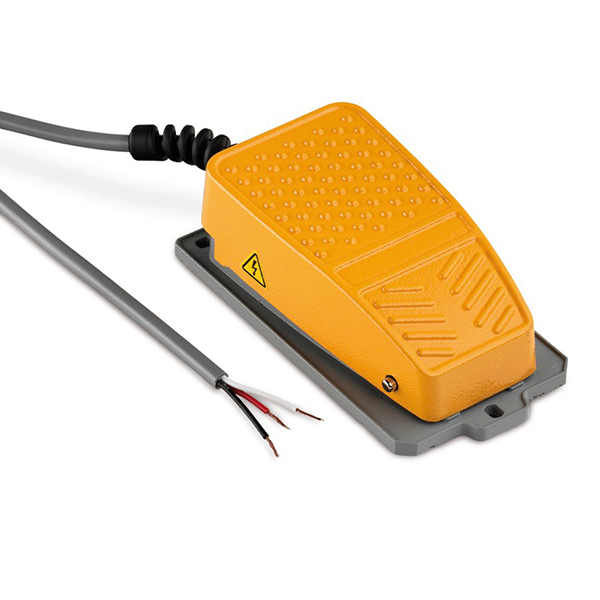
A Smart Switch is a wall-mounted electrical control device that allows users to manage lighting or connected loads through more than just physical touch. Depending on the model, it may support app operation, remote control, scheduling, scene setting, family sharing, and voice commands. For many buyers, the appeal is simple: they want lighting control that fits real life rather than forcing real life to adapt to a fixed switch on the wall.
In a traditional setup, turning lights on and off is limited to one location and one action. That works until people start expecting more from their homes or commercial interiors. They want to switch off forgotten lights after leaving the house. They want bedside control without rewiring the room again. They want parents, children, or older family members to use the same lighting system without confusion. They want convenience, but they also want consistency.
This is where companies such as Wenzhou Zhechi Electric Co., Ltd. become relevant to the conversation. Buyers are no longer looking only for a basic switch supplier. They are looking for a manufacturer that understands modern electrical habits, compatibility needs, and the balance between design, usability, and dependable daily performance.
A well-designed Smart Switch is not just about controlling light from a phone. It is about improving how people interact with spaces every day. That includes bedrooms, living rooms, rental apartments, offices, hotels, meeting rooms, and renovation projects where control flexibility matters as much as product appearance.
Many buyers first search for a Smart Switch because they are already frustrated with ordinary switches. They do not begin with abstract interest. They begin with a specific inconvenience that keeps repeating.
Here are some of the most common pain points:
A good Smart Switch addresses these pain points directly. With remote control, users can turn lights on or off even when away from home. With timing functions, lights can follow a daily pattern instead of depending on memory. With voice support, hands-free operation becomes practical when carrying groceries, walking in the dark, or managing busy routines. With shared access, more than one family member can take part without technical hassle.
This is also why buyers should avoid treating all smart switches as interchangeable. The real value does not come from adding a wireless label to a product. It comes from whether the switch solves genuine usage problems in a stable, intuitive way.
When buyers compare one Smart Switch to another, the product page can quickly become crowded with technical phrases. A more useful method is to focus on the functions that make a real difference in use, installation, and after-sales confidence.
| Feature | Why It Matters | What Buyers Should Check |
|---|---|---|
| App Remote Control | Allows operation when away from home or from another room | Stable app ecosystem, easy pairing, clear user interface |
| Voice Control | Improves convenience for daily hands-free operation | Compatibility with common voice platforms and response reliability |
| Scheduling and Timing | Helps automate routines and reduce energy waste | Flexible timer settings, repeat schedules, scene support |
| Family Sharing | Prevents control from being limited to one user only | Multi-user permission setup and simple sharing process |
| Panel Material | Affects durability, appearance, and cleaning convenience | Toughened glass or other durable surfaces suitable for daily contact |
| Wiring Compatibility | Determines whether installation is suitable for local electrical conditions | Neutral wire requirements, gang options, regional standards |
| Safety Protection | Reduces risk in long-term use | Heat resistance, overload protection, stable internal design |
Remote access is often the feature that attracts first-time users, but it should not be the only deciding factor. A buyer may enjoy app control on the first day, yet become dissatisfied later if the setup is confusing, if the surface scratches easily, or if the switch does not integrate well with the room’s existing wiring.
Scheduling is especially valuable for users who travel often, manage rental properties, or simply want lighting to follow a routine. For example, hallway lights can switch on before family members arrive home, or decorative lights can turn off automatically after a set time. These are small improvements, but repeated daily, they create a better user experience.
Voice compatibility also matters more than many buyers expect. In everyday use, people do not always have a free hand or immediate access to a phone. A reliable voice-ready Smart Switch adds practical convenience rather than novelty.
Choosing the right Smart Switch starts with asking how and where it will actually be used. That sounds obvious, but many purchasing mistakes come from selecting based on appearance or price alone.
Here are several useful buying questions:
For importers and distributors, supplier consistency is just as important as product function. A competitive product with unstable delivery, unclear specifications, or weak support can create more cost later than it saves upfront. That is why many buyers prefer manufacturers with broader smart electrical experience rather than isolated single-item sellers.
For contractors and project purchasers, it is also wise to look beyond the switch itself. Ask whether the product line includes related smart home and electrical items, whether specifications are clear, and whether future repeat orders can be supported without major variation.
Some buyers still ask whether upgrading to a Smart Switch is truly necessary. The answer depends on expectations. If a space only needs the most basic on-and-off control and nothing more, a traditional switch may still be acceptable. But once convenience, automation, remote operation, or user sharing becomes important, the difference becomes clear.
| Point of Comparison | Traditional Switch | Smart Switch |
|---|---|---|
| Control Method | Manual wall operation only | Wall touch, app, remote, scheduling, and often voice control |
| Remote Access | Not available | Available when connected correctly |
| Routine Automation | Not supported | Supported through timers and scenes |
| Multi-user Access | Limited to whoever is physically present | Can be shared with family or team members |
| Adaptability | Fixed function | More flexible for changing lifestyles and project needs |
| User Experience | Basic and familiar | More responsive to modern usage habits |
The upgrade value is especially noticeable in busy households, hospitality environments, and modern living spaces where comfort and control matter. Even a single well-placed Smart Switch in a bedroom, entry area, or living room can change how convenient the space feels.
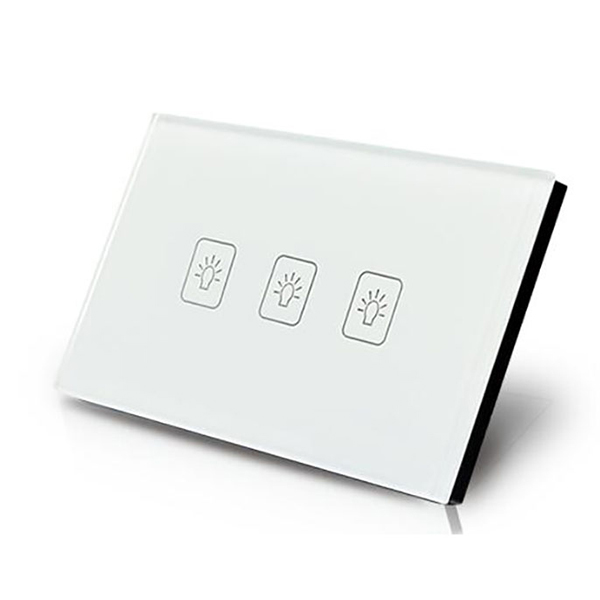
One reason the Smart Switch category keeps growing is that it is useful in more than one setting. It is not limited to high-end smart home enthusiasts. In practice, it serves a wide range of users.
These applications all share one idea: lighting should respond to use patterns, not create friction. A well-chosen Smart Switch supports that goal without making everyday operation complicated.
Buyers who source from experienced manufacturers often look for more than one product family because it creates consistency across projects. A supplier with knowledge of smart control, wall switch design, and related electrical categories is usually better positioned to support long-term cooperation than a seller focused on appearance alone.
Is a smart switch difficult to use for people who are not technical?
Not when the interface is designed well. Most users only need a simple app setup and can continue using the wall switch normally afterward. Shared access and voice operation can make the experience even easier.
Do all smart switches require the same wiring condition?
No. Wiring requirements vary by model. Buyers should always confirm whether a neutral wire is required and whether the switch matches the local wall box and installation standard.
Can one smart switch help reduce unnecessary energy use?
Yes. Scheduling, remote shutdown, and better visibility over lighting habits can help reduce wasted runtime, especially in rooms where lights are often forgotten.
Is voice control necessary for a smart switch to be useful?
Not necessarily, but it adds convenience. Many buyers choose a Smart Switch for app control and scheduling first, then find voice control useful later in daily routines.
What should importers or project buyers focus on besides price?
They should review supply consistency, technical clarity, compatibility, support responsiveness, and whether the supplier can support repeat demand without major product variation.
The real value of a Smart Switch is not that it feels new. Its value is that it solves routine frustrations in a way that ordinary switches cannot. Better control, easier sharing, timed automation, and more adaptable daily use all contribute to a lighting experience that feels more natural and more dependable.
For homeowners, it offers convenience that becomes noticeable almost immediately. For contractors, distributors, and project buyers, it offers an upgrade path that aligns with current expectations in modern interiors. And for buyers evaluating manufacturing partners, it is worth working with a supplier that understands both product function and practical application.
If you are looking for a more reliable and user-friendly Smart Switch solution, and want to explore product options backed by manufacturing experience, now is a good time to review the available range from Wenzhou Zhechi Electric Co., Ltd.
Whether you are sourcing for distribution, planning a building upgrade, or comparing options for a residential or commercial application, choosing the right supplier can make the process much smoother.
Explore the product range of Wenzhou Zhechi Electric Co., Ltd. and contact us to discuss specifications, supply details, and the right smart switch model for your business.


