

As energy demand grows and sustainability becomes a global priority, portable solar technology has emerged as a practical solution for both outdoor and emergency power needs. A Portable Photovoltaic Solar System provides clean, renewable energy in a compact and mobile design, making it ideal for camping, RV travel, remote work, disaster preparedness, and off-grid living.
This article explores how portable photovoltaic systems work, their key components, advantages, application scenarios, and how to choose the right system. It also highlights the growing role of innovative manufacturers such as ZHECHI in providing reliable solar solutions. Whether you are an outdoor enthusiast, homeowner preparing for power outages, or a business looking for sustainable energy options, this comprehensive guide will help you understand why portable solar systems are becoming an essential power solution worldwide.
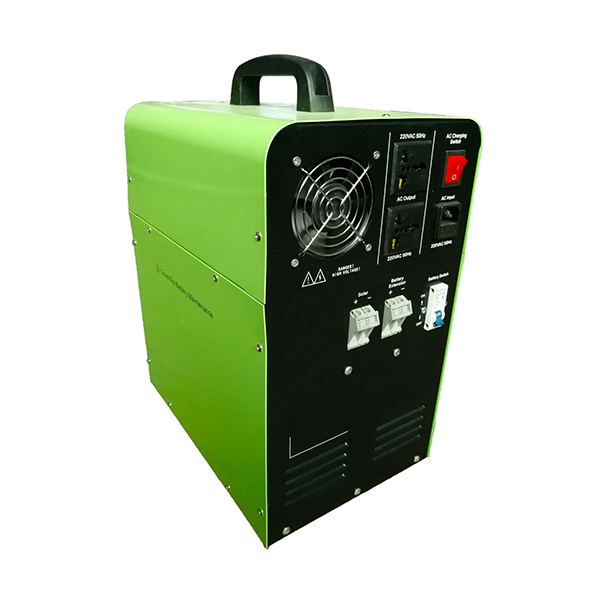
A Portable Photovoltaic Solar System is a compact energy solution designed to generate electricity from sunlight using photovoltaic (PV) panels. Unlike traditional rooftop solar installations, portable systems are lightweight, movable, and easy to set up without complex installation procedures.
These systems are typically composed of solar panels, a charge controller, an energy storage battery, and an inverter that converts solar energy into usable electricity for common devices.
Portable solar systems are designed for flexibility. They can be used anywhere sunlight is available, including:
Modern manufacturers like ZHECHI continue to develop portable solar technologies that are more efficient, durable, and user-friendly.
Portable photovoltaic systems operate using the photovoltaic effect, where solar cells convert sunlight directly into electricity. The process involves several stages of energy conversion and storage.
This process allows users to power various devices including smartphones, laptops, lighting equipment, and even small appliances.
| Stage | Component | Function |
|---|---|---|
| Energy Capture | Solar Panel | Collects sunlight and produces electricity |
| Energy Control | Charge Controller | Prevents battery overcharging |
| Energy Storage | Battery | Stores electricity for later use |
| Energy Output | Inverter | Converts DC power to AC power |
Understanding the components of a portable solar system helps users choose the right product for their energy needs.
Solar panels are the most visible part of the system. They are usually foldable or suitcase-style designs that allow easy transportation and setup.
Battery storage allows the system to store energy generated during the day for nighttime use or cloudy conditions. Lithium batteries are commonly used due to their long lifespan and lightweight properties.
This component regulates the voltage and current coming from the solar panels to protect the battery and optimize charging efficiency.
The inverter converts DC electricity into AC power, enabling users to run common electrical devices.
Portable solar systems offer several benefits compared to conventional power sources.
Solar power produces no emissions, making it a clean and renewable energy source.
Users can generate electricity anywhere without relying on fuel or grid infrastructure.
Unlike gasoline generators, solar systems operate silently.
Portable solar systems require minimal maintenance and have long operational lifespans.
Although the initial investment may be higher, solar energy eliminates ongoing fuel costs.
| Feature | Portable Solar System | Fuel Generator |
|---|---|---|
| Noise Level | Silent | Loud |
| Fuel Requirement | Sunlight | Gasoline/Diesel |
| Environmental Impact | Zero emissions | Produces pollution |
| Maintenance | Low | High |
Portable solar systems are incredibly versatile and can be used in many scenarios.
Camping, hiking, and off-road travel often require reliable portable power for lighting, communication devices, and navigation tools.
During power outages caused by storms or grid failures, portable solar systems can provide critical electricity for essential devices.
Engineers, researchers, and construction teams working in remote areas rely on portable solar energy to power equipment.
Portable solar technology can provide electricity in areas where grid infrastructure is unavailable.
When choosing a backup power solution, many users compare portable solar systems with traditional generators.
| Criteria | Portable Solar System | Gas Generator |
|---|---|---|
| Operating Cost | Very low | Fuel expenses |
| Setup Complexity | Simple | Moderate |
| Environmental Impact | Clean energy | Carbon emissions |
| Portability | High | Limited |
These advantages are driving the rapid growth of portable solar energy markets worldwide.
Selecting the right system requires evaluating several factors based on your power needs and usage environment.
Determine the wattage required for the devices you plan to power.
Higher battery capacity allows longer usage times.
High-efficiency solar panels can generate more power in limited sunlight.
Consider weight, foldability, and ease of transport.
Outdoor use requires weather-resistant and rugged equipment.
Manufacturers like ZHECHI design portable solar systems that balance efficiency, durability, and ease of use.
Portable solar technology continues to evolve rapidly as renewable energy becomes more important worldwide.
Advanced photovoltaic materials are increasing energy conversion efficiency.
Smart monitoring apps allow users to track energy generation and battery status in real time.
Flexible solar panels are making systems even more portable.
Next-generation batteries are enabling longer energy storage and faster charging.
Most high-quality solar panels last 20–25 years, while lithium batteries typically last 5–10 years depending on usage.
Yes, larger systems can power appliances such as refrigerators, televisions, and small kitchen devices.
Yes, although power generation will be lower compared to sunny conditions.
Most systems are plug-and-play and require minimal setup.
For people who need reliable, clean, and portable electricity, solar systems provide long-term value and energy independence.
Portable photovoltaic solar systems are transforming how people access electricity in outdoor, remote, and emergency situations. Their portability, sustainability, and long-term cost benefits make them an increasingly popular energy solution worldwide.
With ongoing technological improvements and growing demand for renewable energy, portable solar systems will continue to play a crucial role in powering modern lifestyles.
If you are looking for a reliable and efficient solar solution, ZHECHI offers advanced portable photovoltaic solar systems designed to meet diverse energy needs. Whether you require power for travel, emergency backup, or off-grid applications, choosing the right solar system can significantly improve your energy independence.
Interested in upgrading to clean and portable solar energy? Contact us today to learn more about ZHECHI portable photovoltaic solar systems and discover the best solution for your power needs.


